Botanical Wisdom: Herbal Methods of Contraception
Quick Summary: Traditional Plants & Natural Spermicides
Herbal methods of contraception rely on traditional plant remedies to support cycle awareness and localized protection. Key allies include Neem oil, Wild Carrot seed, Wild Yam root, and after-sex citric solutions like diluted lemon mixtures. Combining traditional botanical knowledge with cycle tracking maximizes birth control efficacy.
Embodied Earth Wisdom in Reproductive Sovereignty
Long before pharmaceutical interventions, women turned to the natural world to honor, guide, and regulate their reproductive power. Traditional botanical remedies offer an intuitive way to engage with your fertility, helping you cultivate bodily literacy and self-trust.
1. Neem Oil (Azadirachta Indica)
Description & Cultural Background
Derived from the sacred Indian lilac tree, Neem has been revered in Ayurvedic medicine for thousands of years as a premier healing plant. Hailing from India and Burma, this hardy tree offers seeds and leaves rich in potent bioactive compounds.
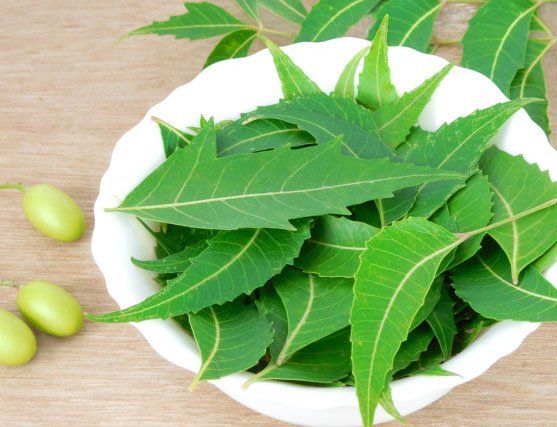
In traditional intimate care, Neem oil provides a slick, protective warmth when applied intravaginally. Beyond its contraceptive history, it boasts antibacterial, antiviral, and antifungal properties, helping maintain healthy vaginal flora and clear excess candida without harming beneficial lactobacilli.
Warnings & Efficacy
Laboratory research demonstrates that Neem oil possesses exceptional spermicidal activity, immobilizing sperm cells in as little as thirty seconds in vitro. However, human clinical trials remain limited, so it should be used thoughtfully alongside cycle awareness.
Infants and children must never be given Neem supplements, as internal consumption can cause severe toxicity. Adults with impaired liver or kidney function, or those experiencing severe physical exhaustion, should avoid oral Neem extracts.
Instructions & Application
For natural spermicidal use, pure cold-pressed Neem oil is applied topically inside the vagina immediately before or right after intercourse. The oil remains active for up to five hours.
Because Neem carries a strong, pungent aroma similar to roasted garlic or onions, it is not recommended prior to oral sex. Engage in oral play first, using the post-oral application of Neem as a nourishing, restorative after-sex ritual.
2. Wild Carrot / Queen Anne’s Lace (Daucus Carota)
Description & Cultural Background
Wild Carrot, widely known as Queen Anne’s Lace, is an umbrella-flowered plant with an extensive history in Western folk medicine. Written references to its contraceptive seeds date back to Hippocrates in the 5th century B.C.
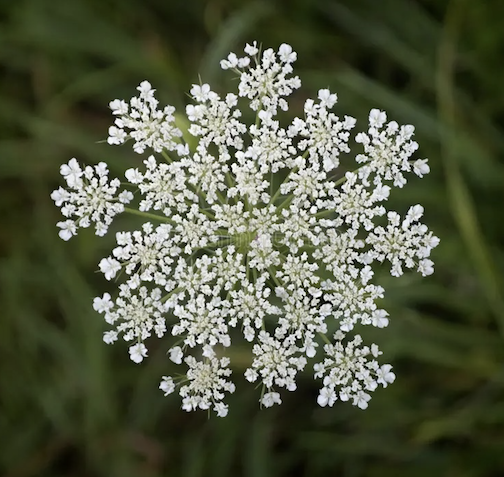
Women across ancient Greece, Rome, and Appalachian herbal traditions relied on these tiny, aromatic seeds as an empowering, self-directed method of fertility management, particularly when intercourse occurred unexpectedly on fertile days.
Warnings & Efficacy
Traditional usage suggests Wild Carrot seeds act as an implantation inhibitor by interfering with progesterone synthesis. While centuries of anecdotal reports support its post-coital use, formal clinical trial data is sparse.
A critical safety warning: Wild Carrot closely resembles lethal plants such as Poison Hemlock and Water Hemlock. Never forage Wild Carrot unless trained in botanical identification. Sourcing seeds from verified herbal providers is essential.
Instructions & Application
In traditional practice, one teaspoon of dried Wild Carrot seeds is thoroughly chewed and swallowed with water within 8 to 24 hours after intercourse. Herbalists recommend repeating this dose daily for two to three days post-exposure.
Chewing the seeds fully releases their essential oils. Some women experience mild digestive warmth or temporary subtle spotting following usage.
3. Citric After-Sex DIY Solutions
Description & Cultural Background
Using citric juices to alter vaginal chemistry is a time-tested household method of fertility control. Historical records show women utilizing lemon juice slices and rinses across Mediterranean and maritime cultures for centuries.
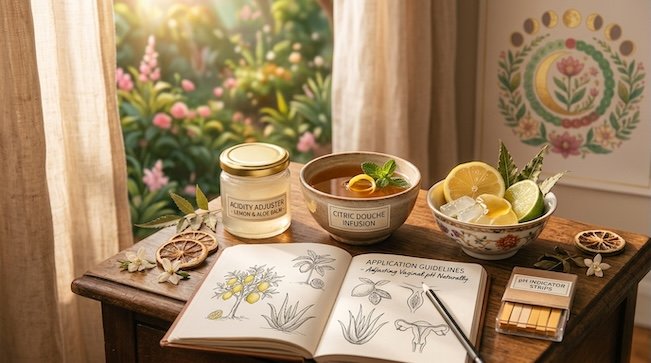
Sperm cells require an alkaline environment to navigate toward the uterus. By rapidly introducing natural citric acidity post-coitus, the internal environment becomes inhospitable to sperm survival.
Warnings & Efficacy
Citric solutions serve as a gentle alternative to commercial spermicides containing Nonoxynol-9, a chemical strongly linked to vaginal epithelial irritation and tissue breakdown. However, citric rinses are not 100% effective on high-fertility days.
Avoid urban myths advocating Coca-Cola as an after-sex rinse; studies confirm its sugar content actually speeds up remaining sperm while triggering yeast infections. Undiluted lemon juice can also cause intense burning, so proper dilution is vital.
Instructions & Application
To prepare a soothing post-coital balm, mix 3 drops of freshly squeezed lemon juice into 1 tablespoon of pure aloe vera gel or raw organic honey. Apply intravaginally immediately following intercourse.
For a post-coital rinse, dilute 1 teaspoon of fresh lemon juice into 1 cup of lukewarm distilled water. Use as a gentle, non-pressure wash right after sex. Always perform a patch test to confirm comfort.
4. Wild Yam (Dioscorea Villosa)
Description & Cultural Background
Native to North America and Asia, Wild Yam, also known as Colic Root or Bitter Yam, has a long history in Native American and traditional herbal medicine for women's reproductive health.
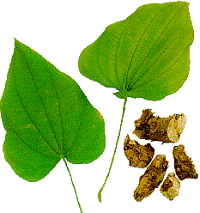
Wild Yam contains diosgenin, a plant sapogenin used in laboratories to synthesize modern progesterone. While the body cannot convert raw diosgenin into progesterone directly, the plant exerts comforting, antispasmodic effects across the female reproductive tract.
Warnings & Efficacy
Traditional claims suggest Wild Yam can cause temporary sterility when taken continuously. However, clinical evidence supporting standalone contraceptive efficacy is limited.
Individuals with estrogen-sensitive conditions (such as endometriosis, uterine fibroids, or ovarian cancer) or Protein S deficiency should avoid Wild Yam. High oral doses can also cause mild stomach upset.
Instructions & Application
Wild Yam is available as a tincture, liquid extract, or daily capsule. Traditional dosage recommends 2 to 3 mL of tincture three times daily, or 1 to 2 capsules twice daily.
Herbalists recommend taking Wild Yam consistently throughout the second half of the cycle to soothe PMS, ease cramps, and promote overall uterine calm.
Harmonizing Botanical Wisdom with the EcoSensual Calendar
Herbal contraceptives offer inspiring natural options, but relying solely on raw plant material on highly fertile days carries inherent risk. Botanical potency varies naturally by harvest, preparation, and individual metabolic response.
This is why combining botanical remedies with the EcoSensual Pillow Book Calendar provides the ultimate balance of passion and protection. Unlocking member access gives you a clear blueprint for mapping your plant remedies directly to your cycle phases.
During your GREEN infertile days, herbs like Wild Yam provide soothing cycle support. When entering high-fertility RED days, the EcoSensual system guides you and your partner into sensual non-penetrative games, using topically protective herbs like Neem or citric remedies to enhance peace of mind. By transforming biological tracking into an intimate adventure, you maximize birth control efficacy while deepening mutual passion.
Unlock the Secret Language of Your Cycle With Sensual Birth Control & Fertility
While basic tracking gives you natural self-awareness, the full EcoSensual Calendar turns birth control and fertility into an exciting, intimate adventure.
Explore 32 cycle-mapped erotic practices, with GREEN & RED day intimacy options, and playful communication codes to deepen passion and trust with your partner.
References & Clinical Sources
- Khillare, B., and T. G. Shrivastav. "Spermicidal Activity of Azadirachta Indica (Neem) Leaf Extract." Contraception 68, no. 3 (2003): 225-229.
- Upadhyay, S. N., C. Kaushic, and G. P. Talwar. "Antifertility Effects of Neem (Azadirachta Indica) Oil by Intravaginal Application." Journal of Ethnopharmacology 30, no. 3 (1990): 267-274.
- Short, R. V. "Lemon Juice as a Natural Spermicide." Medical Journal of Australia 176, no. 8 (2002): 397-398.
- Riddle, John M. Eve's Herbs: A History of Contraception and Abortion in the West. Cambridge: Harvard University Press, 1997.
- Romm, Aviva. Botanical Medicine for Women's Health. 2nd ed. St. Louis: Churchill Livingstone, 2017.